

Multidisciplinary Team Reflection
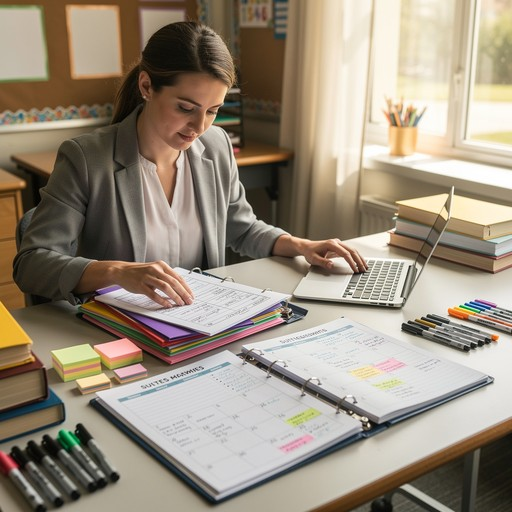
As a sixth-grade teacher, I bring daily observations of students’ learning, participation, and classroom needs to a multidisciplinary team. I can share student work, assessment results, and strategies I have already tried. I also need to listen to other perspectives and follow through on the team’s decisions.
Stories told in pixels
Members of a team at my school might include other teachers, an administrator, a special education teacher, an English learner specialist, a school psychologist, a counselor, and, when appropriate, a nurse or speech-language pathologist. Families are also essential partners because they know their children in ways we may not see at school. Each person contributes different information that can help us understand a student’s strengths and needs more fully.
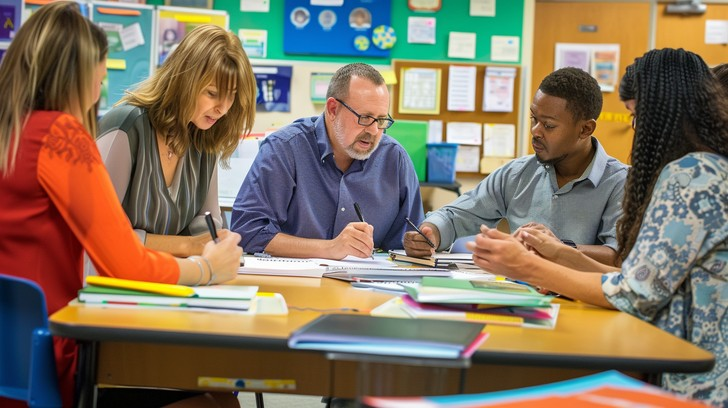
Working as a team means agreeing on a goal, choosing supports, and checking whether those supports are helping. For example, if a student is struggling with reading, I can bring samples of their work and explain where I see difficulty. Team members can help me consider instructional strategies, language supports, or other services. I can then use the agreed-upon strategies in class and share what I notice at our next meeting.
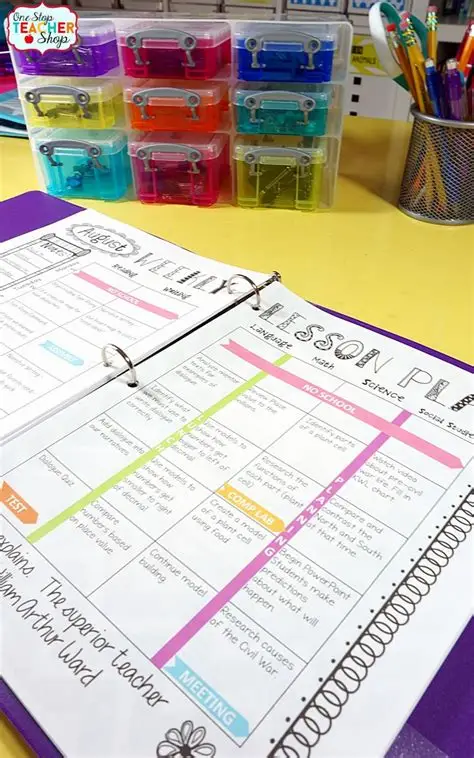
My role matters because I see students regularly and can connect the team’s recommendations to their everyday learning. To grow as a professional educator under TPE 6, I need to be prepared, communicate respectfully, protect student confidentiality, reflect on feedback, and remain willing to adjust my teaching.
Create Your Own Website With Webador